Building the practices behind better product decisions.
Across AT&T, Digital.ai, and McKesson, I helped product teams move from isolated UX requests to repeatable practices for problem framing, customer access, workflow prioritization, design review, and measurement — as Senior UX Research and Design Lead at AT&T, and as Director of UX Research and Design at Digital.ai, where I led a team of five.
The work spanned problem framing, customer access, top-task prioritization, design critique, and practice maturity — the shared structure that helps teams make better decisions repeatedly, not just when one strong researcher or designer is in the room.
Practices that changed how teams worked, not just what they delivered.
From cost savings tied to a research-informed redesign to org-wide research operating models, the outcomes were measurable and replicable.
Cost savings from one AT&T project using the Experience Brief framework, plus 11K new registrations in 3 months.
Identified story creation as the #1 priority workflow at Digital.ai, directly informing product roadmap and UX measurement.
Ongoing panel across 12 Fortune 500 organizations giving teams continuous customer access at AT&T.
Digital.ai named a Gartner Magic Quadrant Leader and Forrester Wave Leader during the period the research and design practice was built and scaled.
Great product decisions need more than strong individual research or design work. They need customer access, shared problem framing, decision rituals, and a repeatable way to turn evidence into direction.
Creating the structure for repeatable research and design.
At Digital.ai, I joined as Director of UX Research and Design to build the practice from the ground up across a complex enterprise DevOps portfolio. I led a team of five, built research intake, planning, recruiting, documentation, reporting, and socialization practices, and created a model that helped Product, Design, and Engineering use research earlier and more consistently.
The UX practice had strong people and important work underway. What the team needed was a clearer structure for planning research, recruiting participants, documenting insights, and sharing decisions across Product and Engineering.
I focused first on the infrastructure the team needed to operate well:
- Research intake.
- Study planning.
- Participant recruiting.
- Documentation standards.
- Stakeholder readouts.
- Research education through office hours and lunch-and-learns.
I also invested in culture by helping Product and Engineering understand when to use different research methods, what decisions each method could support, and how to participate in the work.
Baseline
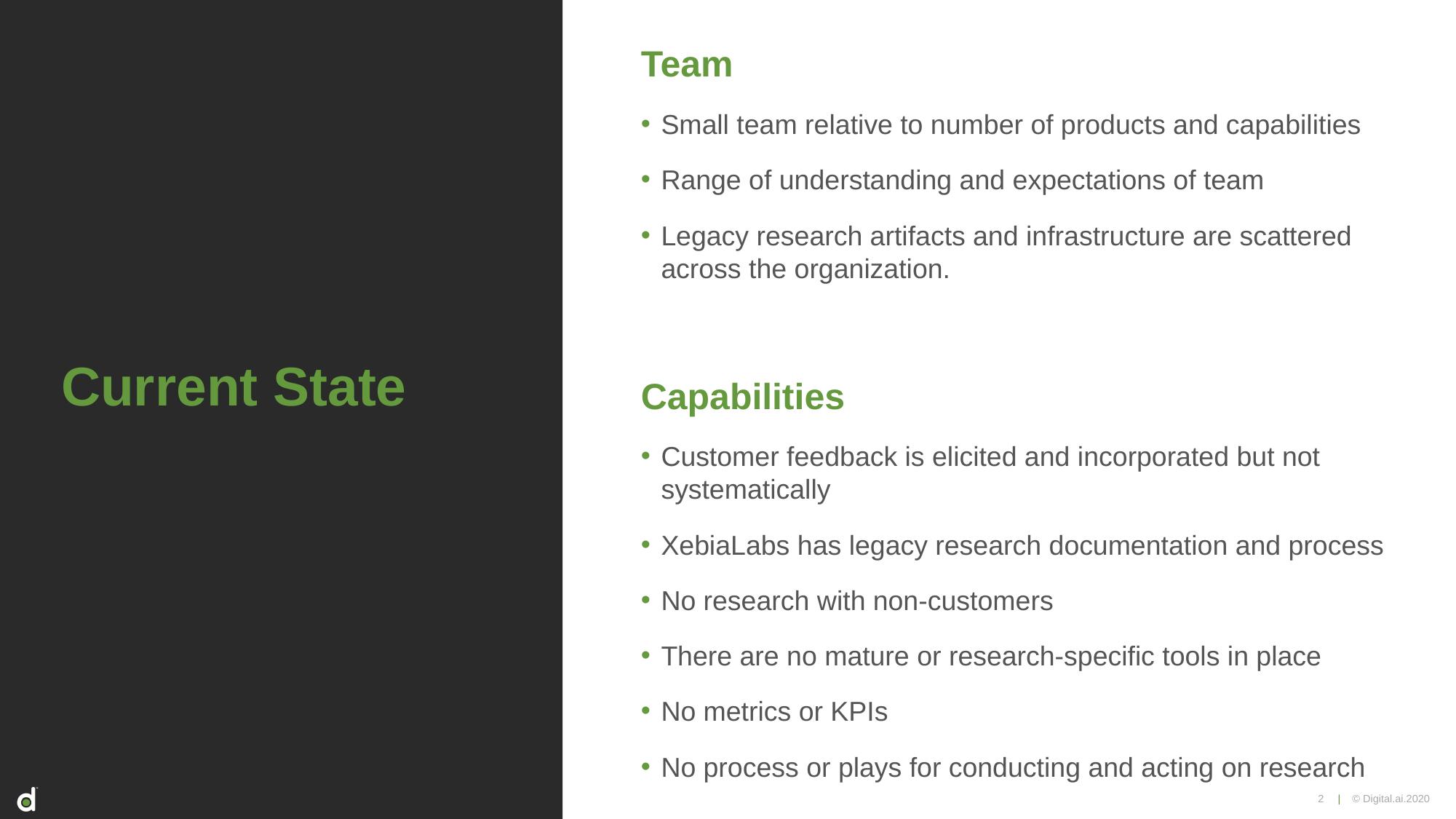
This artifact made the current state visible: what the team had, what was missing, and where a more repeatable UX practice could support better product decisions.
Operating model
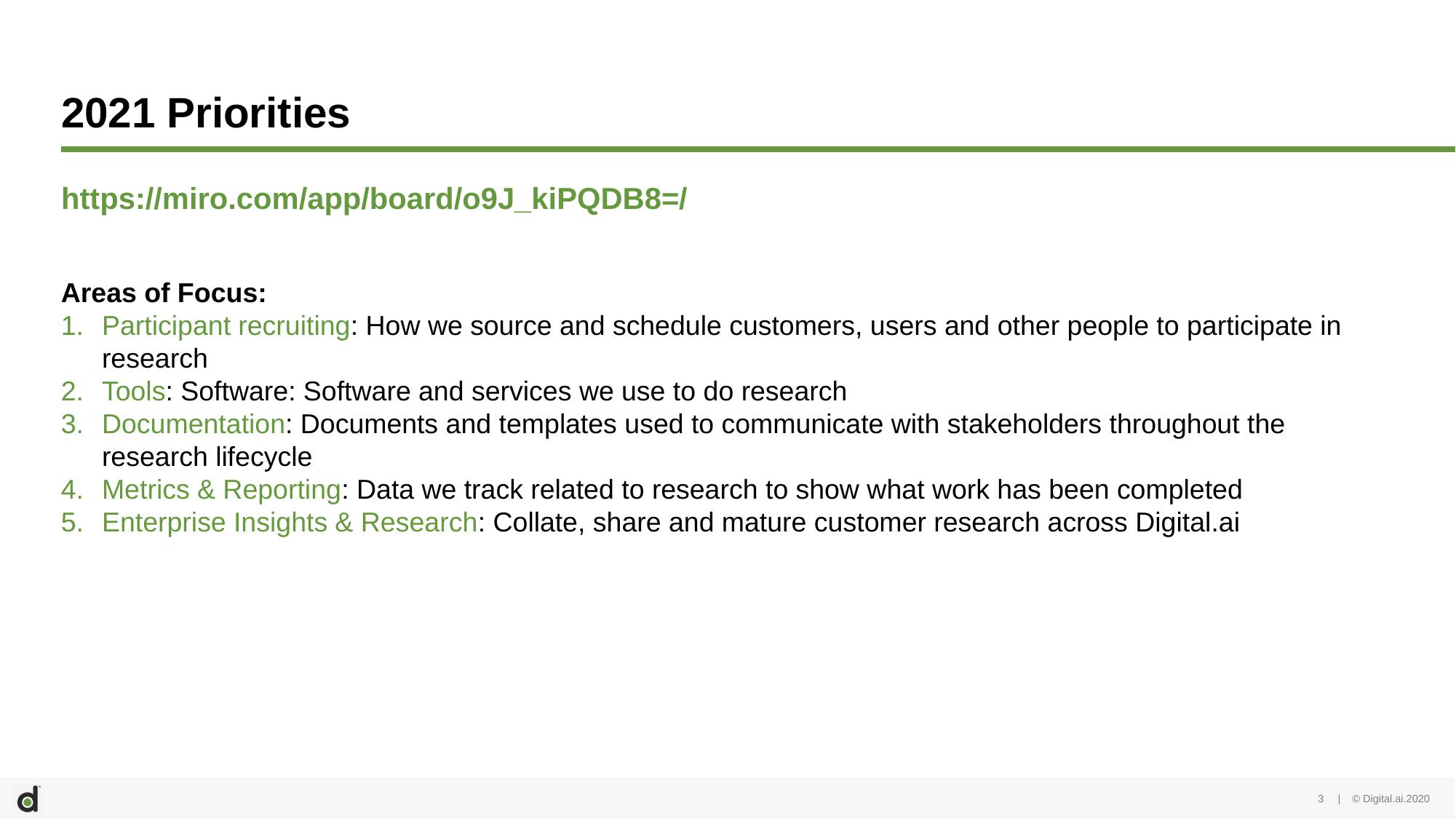
The 2021 research roadmap gave the team a clear path from ad hoc studies to repeatable decision support across five priorities: recruiting, tools, documentation, metrics, and insight sharing.
The work gave the organization a more reliable way to learn. It also gave my team clearer structure, stronger cross-functional relationships, and a better path to influence product direction.
Framing problems before building solutions
At AT&T, I helped create and socialize an Experience Brief framework that changed how teams framed product work before design or development began. It supported one early project that produced $89K in cost savings and 11K new registrations in three months.
Large enterprise product teams often move quickly from request to solution. Teams could start designing or building before agreeing on the problem, the evidence, or how success would be measured.
I helped introduce a framework that asked four questions before work began: What problem are we solving? What evidence shows this is a problem? How is success defined? How will success be measured? This gave Product, Design, Research, and leadership a shared definition of the problem before the team moved into delivery, and made post-launch learning possible because success measures were defined before launch, not reconstructed afterward.
Framework
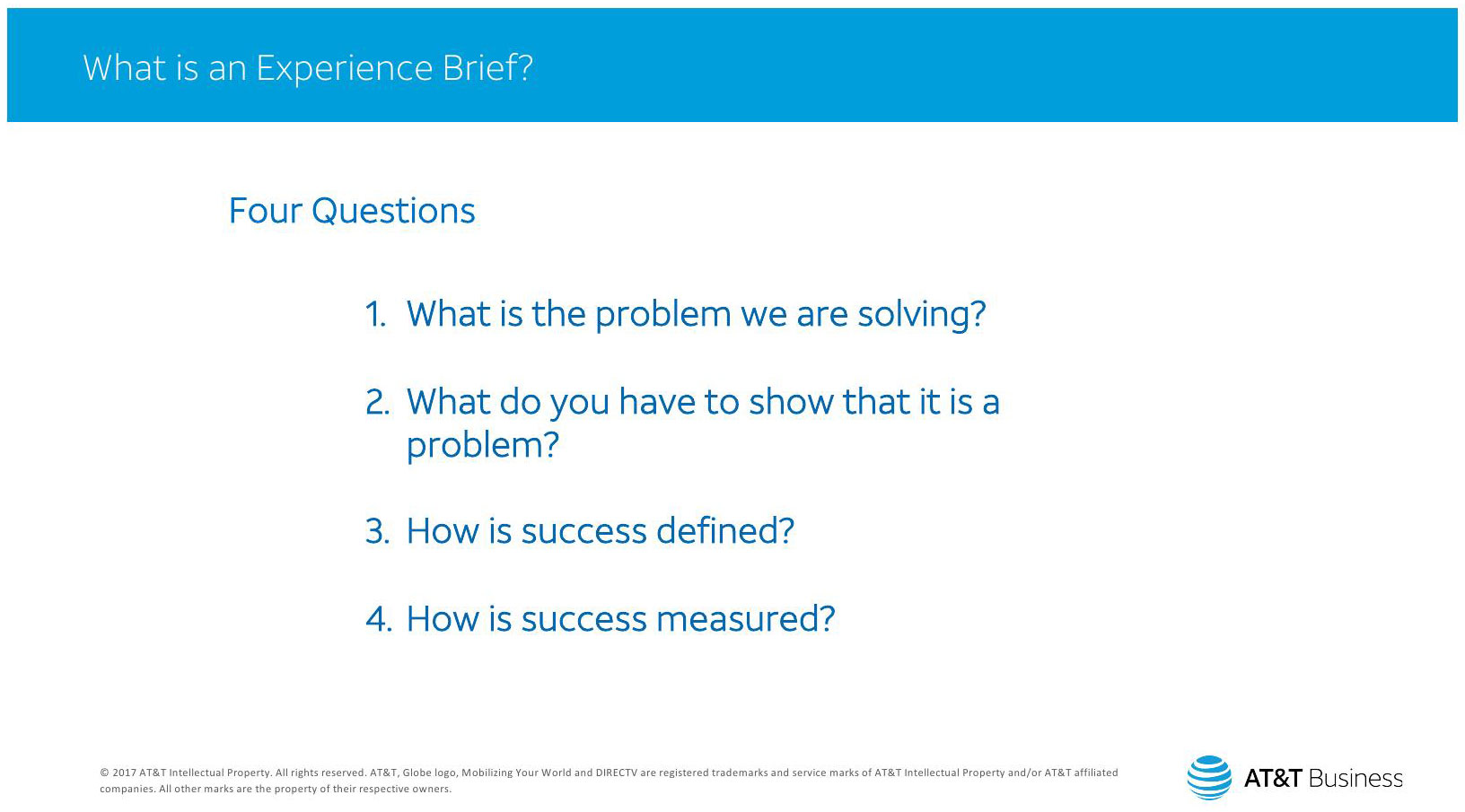
The Experience Brief gave Product, UX, and leadership four shared questions before work began: problem, evidence, success definition, and measurement. These became the shared language for how the team framed work before committing to it.
Outcome
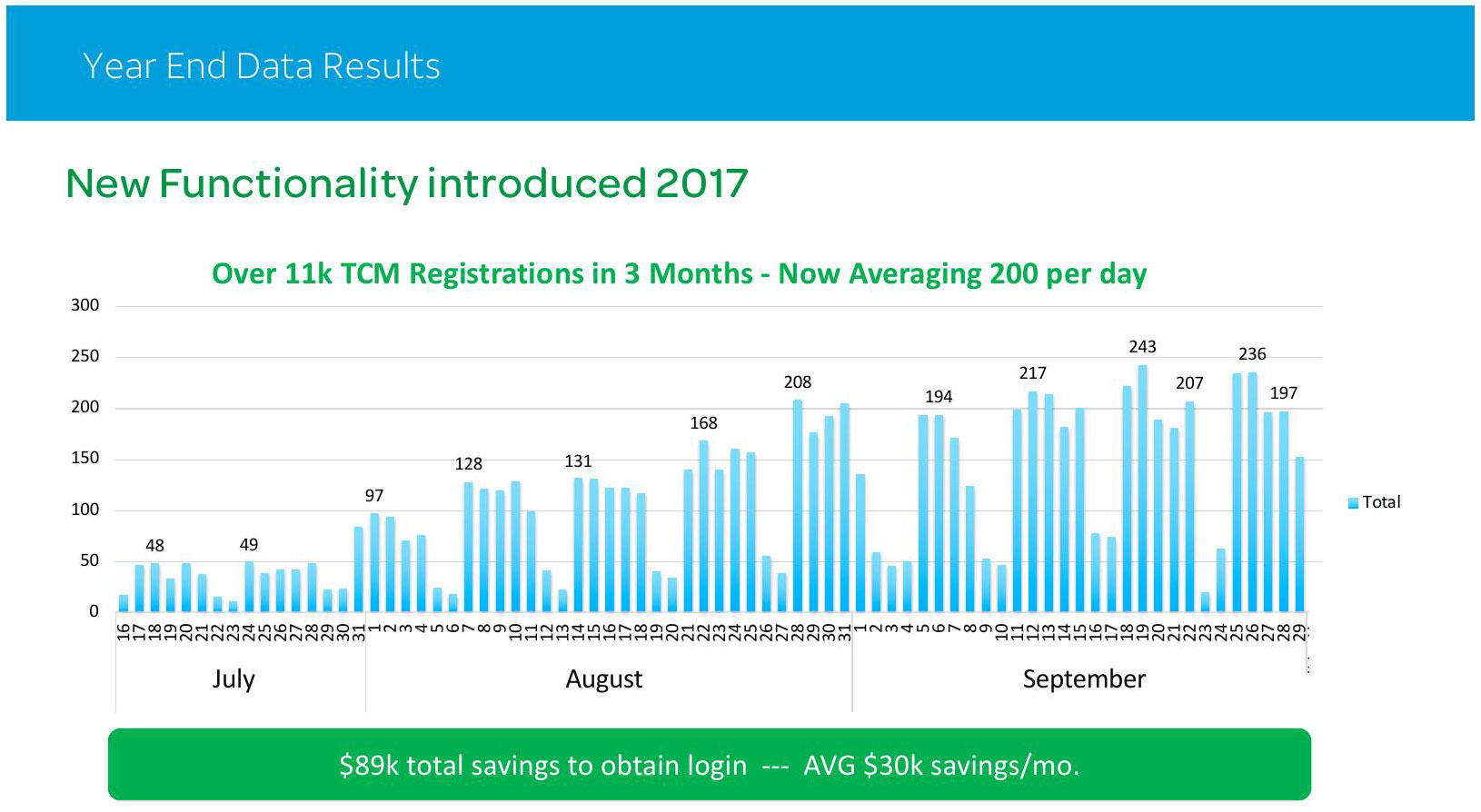
Because success measures were defined early, the team could connect the work to post-launch outcomes: 11K new registrations in three months and $89K in cost savings, directly traceable to the research-informed redesign.
This helped UX move upstream. Instead of being brought in after direction was set, research and design became part of how teams clarified the problem, evaluated tradeoffs, and connected work to measurable outcomes.
Continuous access to the right users
At AT&T, I helped establish an enterprise customer panel that gave teams ongoing access to real users throughout the product lifecycle, with participants committing to multiple research activities across the year.
Enterprise teams often struggle to reach the right users at the right time. When customer feedback only happens at the end of a project, teams learn too late and the cost of change is higher.
I helped establish a structured customer panel with enterprise participants from organizations such as Walgreens, Lockheed Martin, The Hartford, BAE Systems, Fiserv, Best Buy, United Rentals, and others. The panel was designed for repeat access — participants committed to multiple activities across the year, giving teams a practical way to test concepts, clarify workflows, and gather feedback earlier.
Customer access
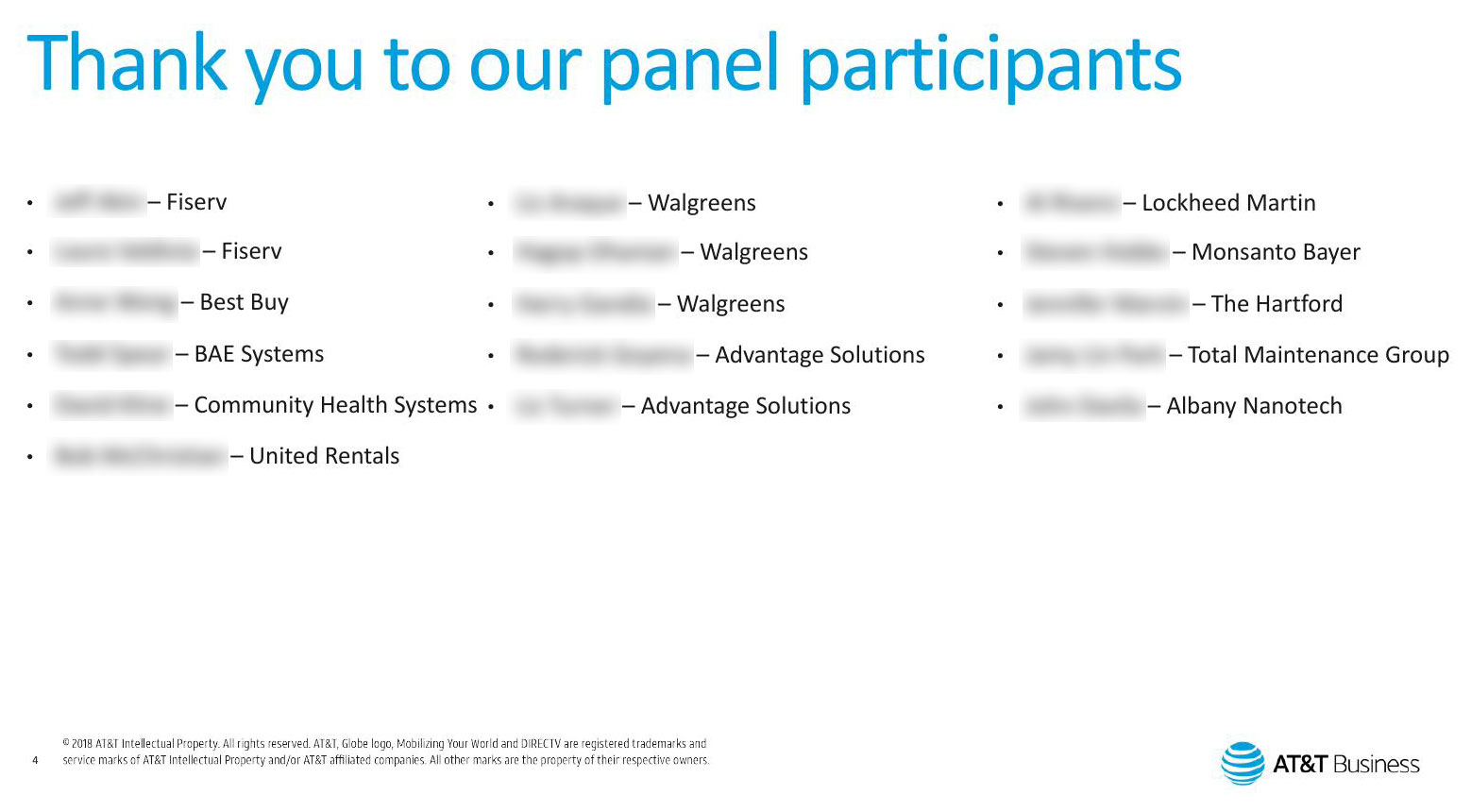
The customer panel created a repeatable way to reach users for discovery, validation, and follow-up research instead of relying on one-off recruiting for every study.
Research panel recruitment — Digital.ai
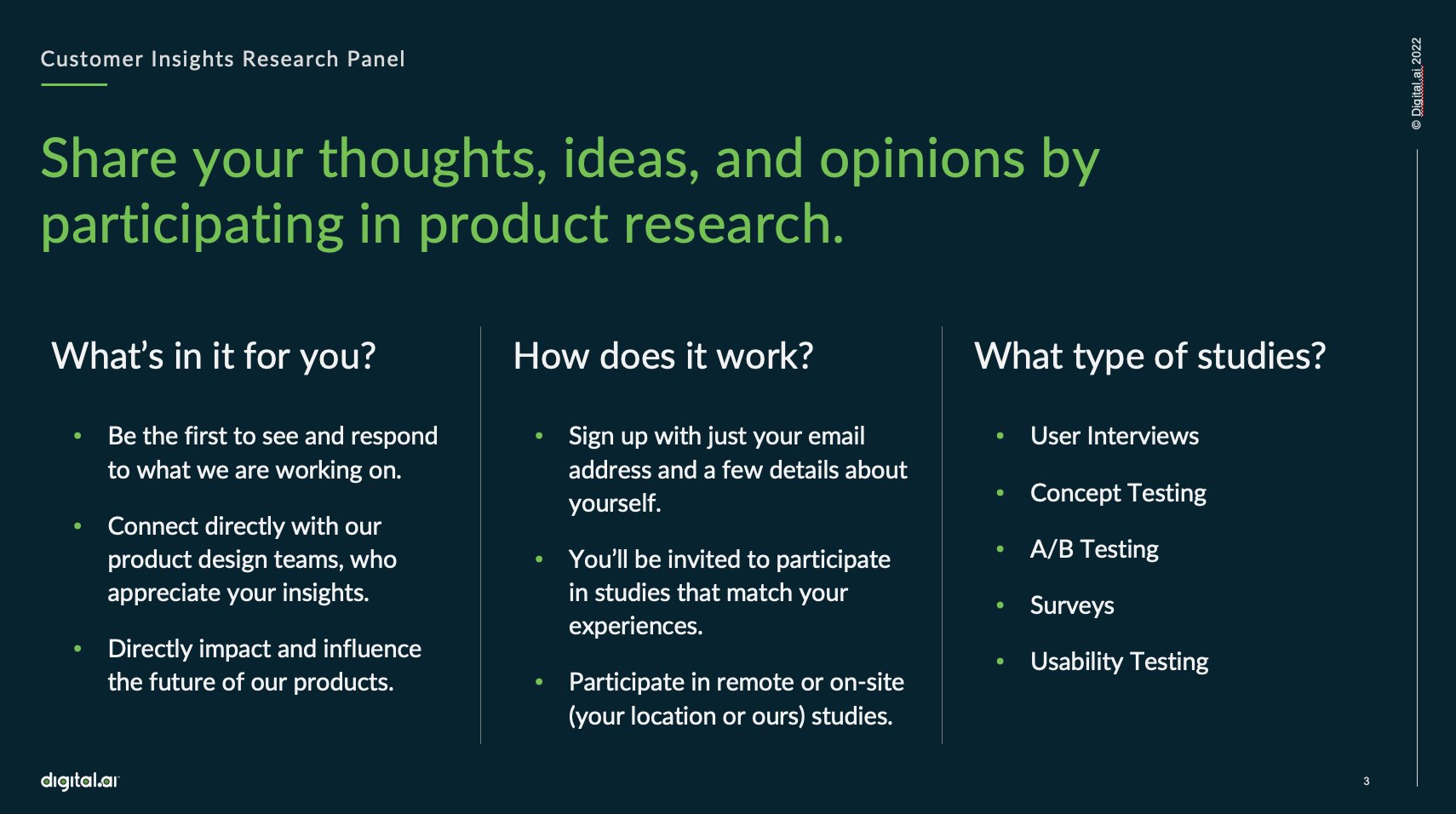
Panel recruitment materials set clear expectations for enterprise participants — what they would be asked to do, why it mattered, and what types of studies they might take part in.
Customer access became part of the team rhythm. Instead of treating research as a special event, teams had a more consistent way to learn from customers as decisions were being made.
Bringing research to the entire organization
At Digital.ai, the mandate was to bring research to the entire organization, not just individual product teams. That meant building an intake process, establishing continuous research cadences, running on-site contextual inquiries and ethnographic studies, and creating a shared model for when and how to use each research method.
Research was occurring in pockets, but findings were not yet consistently shared or connected to product decisions across teams. The practice needed a more consistent way to plan studies, recruit participants, document findings, and socialize insights.
I built research literacy through office hours, lunch-and-learns, and stakeholder readouts so product managers, engineers, and designers had a shared language for evidence-based decisions. When partners understood the purpose of the method and the decision it was designed to support, findings moved from decks into product direction.
"With her guidance we were able to put together meaningful research activities including interviews, surveys and more, which ensured we are delivering the right thing the first time."
— Terry Densmore, Product Management, Digital.aiResearch education
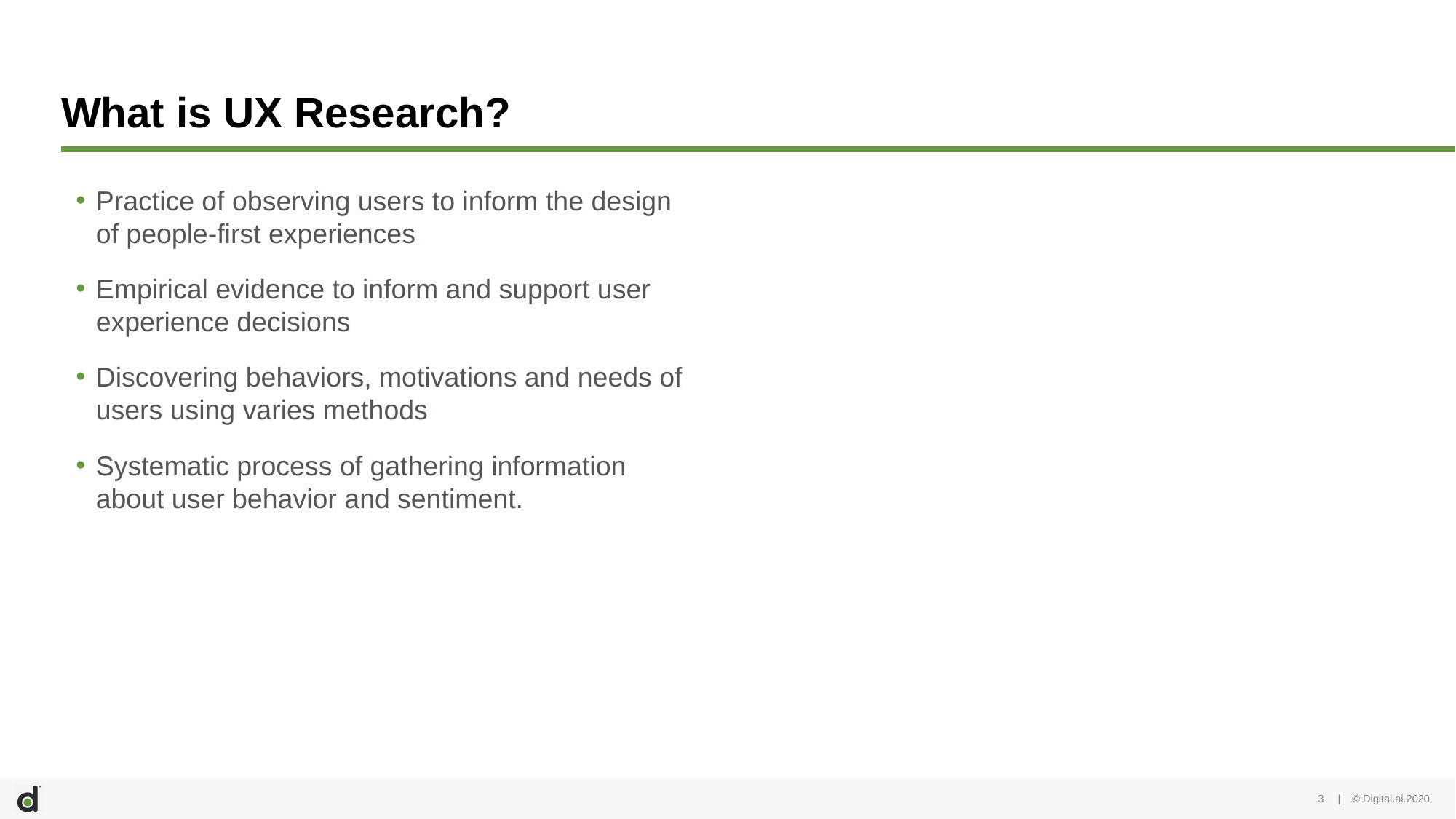
Research education helped Product and Engineering understand which methods supported which decisions, creating a shared language for when to use interviews, surveys, usability testing, or prioritization studies.
Research became less of a handoff and more of a shared decision practice. The practice gave product teams a clearer way to use research, and it gave my team the structure to scale influence across a complex enterprise portfolio.
Connecting research to product decisions
At Digital.ai, I led a top-task study that gave product leadership a clearer view of which Agility workflows mattered most to users: 264 responses, story creation identified as the highest-priority workflow area, findings used to inform usability baselines, UX scorecards, and analytics instrumentation.
The Agility product supported many workflows, but product teams needed a better way to understand which tasks mattered most. Without that clarity, prioritization could be shaped too heavily by internal assumptions, individual customer requests, or the loudest stakeholder voice.
I used a top-task survey to establish a stronger baseline. After collecting 264 responses, I looked for patterns across similar task language rather than treating every task label as separate. Story creation and related story-writing tasks emerged as the highest-priority workflow area, shaping which workflows to evaluate first, where to establish usability baselines, and what needed better product analytics.
Prioritization
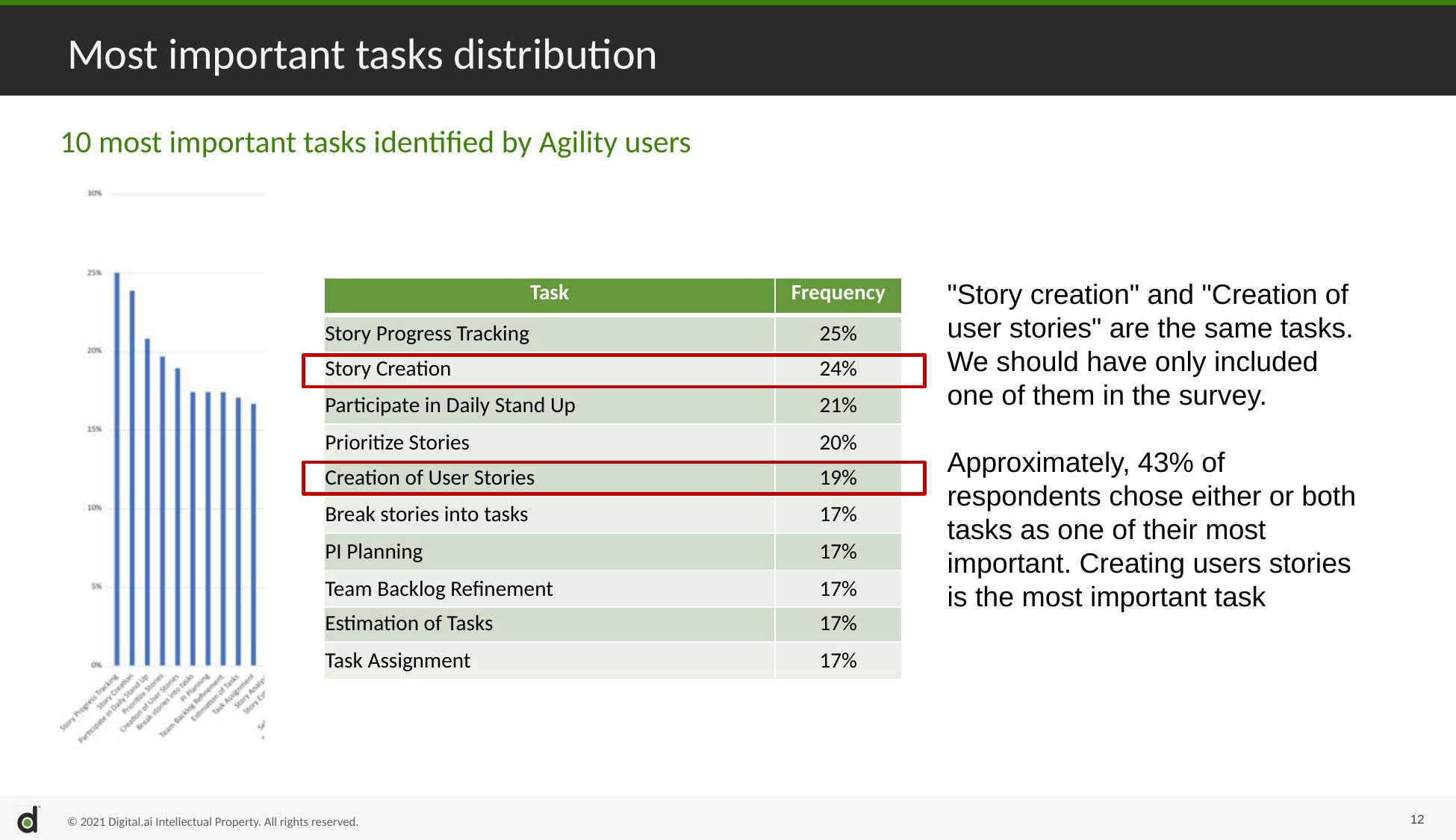
The top-task study gave Product and UX a shared prioritization baseline grounded in customer input, replacing internal assumptions about which workflows mattered most.
Research moved from insight to prioritization. The study gave product and design leadership a stronger basis for deciding what to improve, what to measure, and where to focus team effort.
Concept prototypes as alignment tools
Across AT&T, Digital.ai, and McKesson, I used concept prototypes to help teams test product direction before committing engineering time, surfacing workflow gaps, labeling issues, missing states, and exception cases earlier in the process.
In complex enterprise products, requirements can look clear on paper but break down when users try to move through the workflow — especially when the product includes role differences, handoffs, exceptions, approvals, readiness states, or operational constraints.
I used prototypes as alignment tools. Rather than asking teams to debate a concept in the abstract, I helped them react to realistic flows, screens, and scenarios. At Digital.ai, concept testing informed navigation and spaces direction. At McKesson, this approach was critical for oncology workflows where clinical, product, and engineering teams needed to review logic, states, handoffs, and exceptions before engineering commitment.
Concept validation
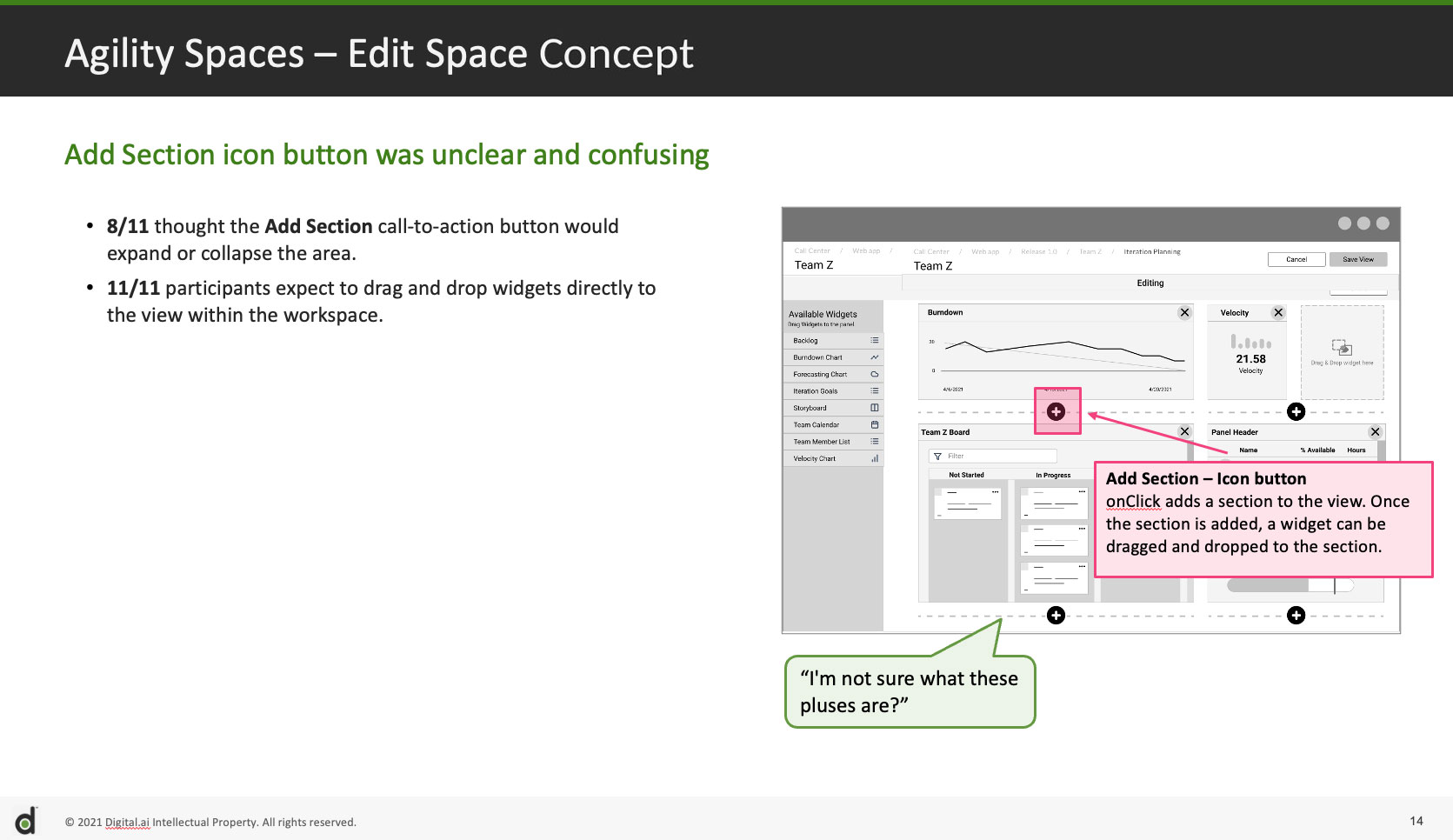
Concept testing gave teams evidence before engineering commitment — surfacing labeling gaps and missing features while there was still room to change direction.
Prototypes reduced the cost of learning. Teams could see where the workflow was unclear, where terminology failed, where states were missing, and where product logic needed more definition — before build, not after.
Evidence-based feedback instead of personal preference
At Digital.ai, I built and facilitated design critique rituals that helped a team of three designers evaluate work through evidence, workflow fit, and user needs — catching usability risks and logic gaps before customer testing.
Design quality does not improve through taste alone. Designers needed shared standards, healthy critique, and a clear way to evaluate whether a design supported the workflow and the evidence behind it.
I structured critiques around better questions: not whether people liked a design, but whether it served the workflow, matched what we knew from research, handled the right states, and identified what still needed to be tested. This gave designers a safer and more useful way to discuss work, and improved what went into research sessions because concepts were stronger before they reached customers.
Design recommendations
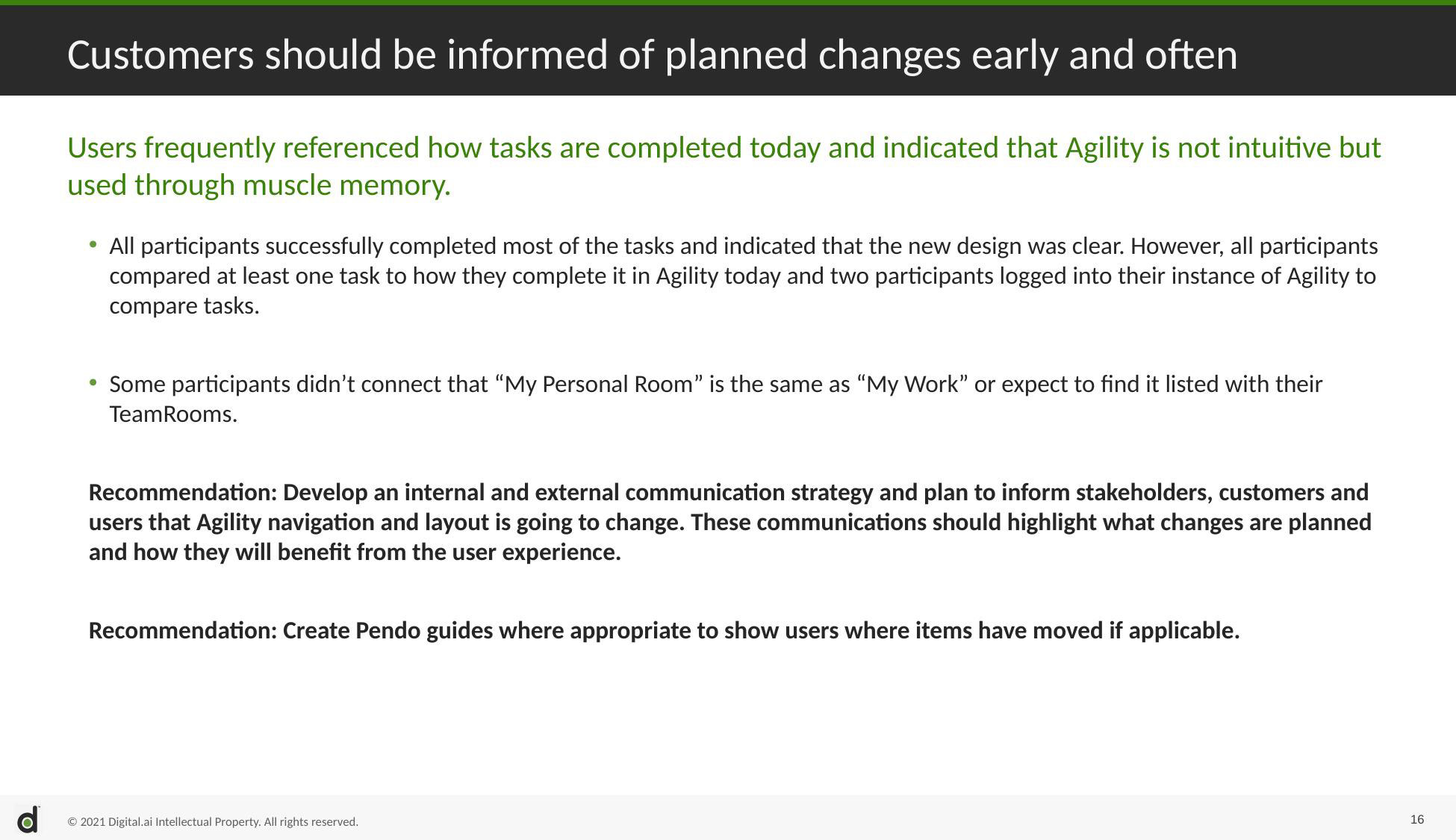
Research findings were structured for design action: recommendations connected what participants experienced to specific design responses, giving teams a clear path from critique to direction.
"She excelled in educating and inspiring the team about UX principles and fostered a user-centered design culture."
— Aarthi Ravindran, Senior Product Designer, Digital.aiThe team built better judgment together. Critique became a leadership tool, not just a design meeting. It helped designers grow, improved product quality, and gave cross-functional partners more confidence in the design process.
Applying the same operating principles to oncology product teams
At McKesson, I applied the same practice-building approach to a healthcare product environment — mapping UX into the product lifecycle, identifying operational gaps, connecting design system work to delivery readiness, and creating the conditions for AI-assisted delivery.
The team needed a clearer structure for bringing UX into discovery earlier, validating concepts before build, and reducing late-stage issues from scope changes and design-development mismatch. The design system also needed to go beyond visual consistency — it had to support complex workflow decisions: states, queues, exceptions, handoffs, and readiness signals.
I focused on making the UX process visible inside the product lifecycle:
- Discovery.
- Ideation.
- Concept validation.
- Release planning.
- Sprint design.
- Development support.
- UX QA.
- Feedback and measurement.
I also mapped the operational friction that affected delivery, including user recruitment, engineering availability, late ideation, unclear acceptance criteria, scope changes, and design-development mismatch.
Product lifecycle
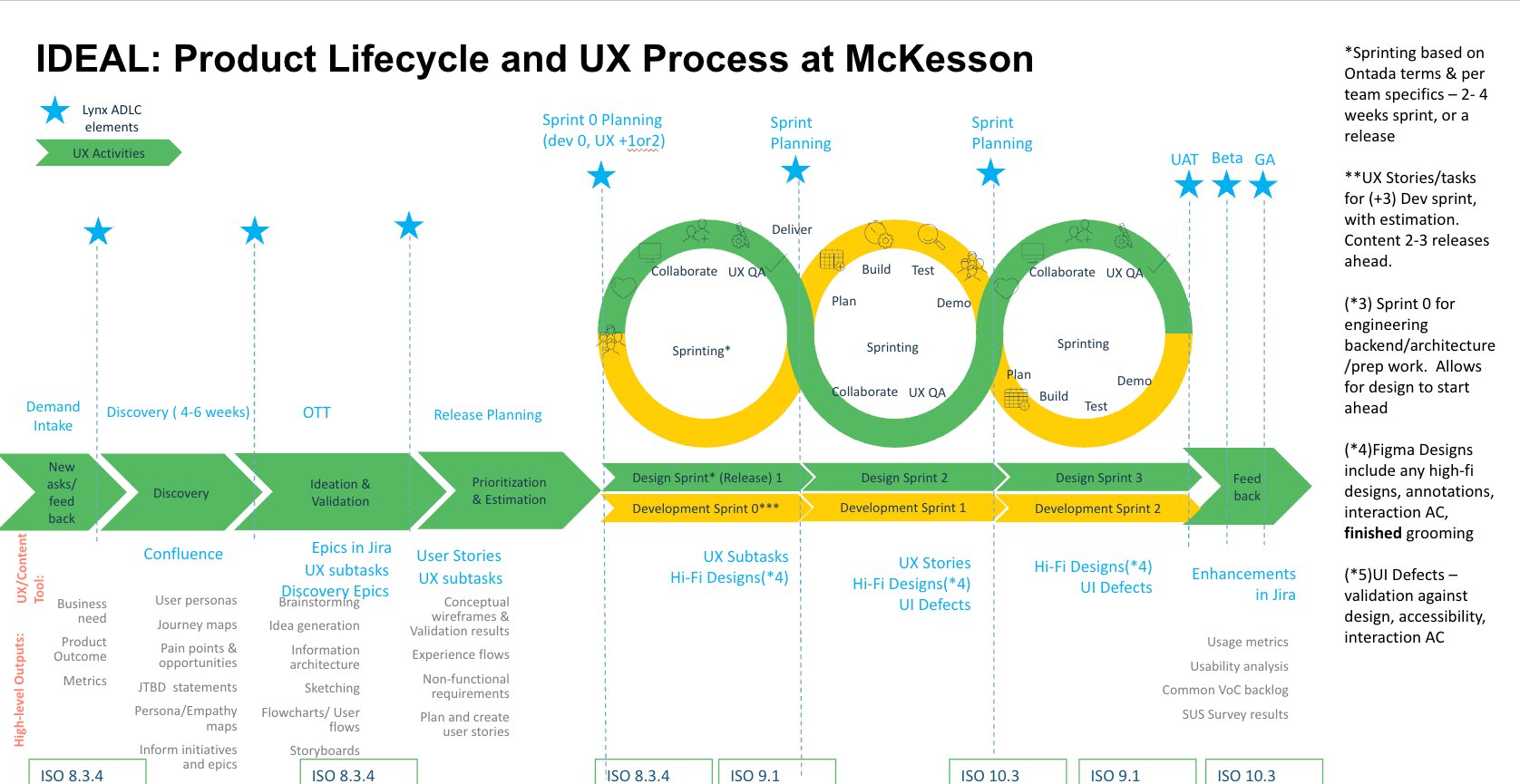
This map helped the team see where UX needed to participate across discovery, concept validation, sprint design, UX QA, and feedback — reducing ambiguity about when design should be involved.
Operational gaps
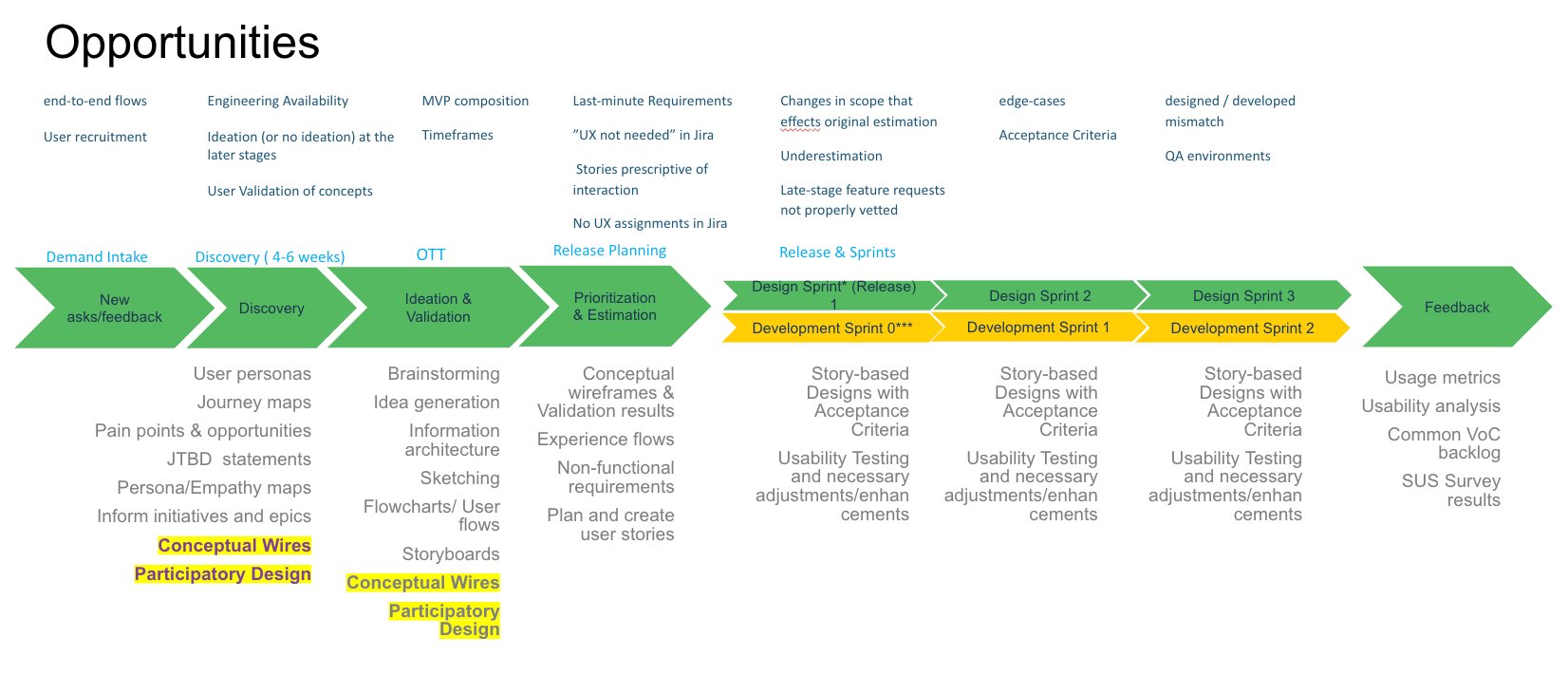
The opportunities map identified where UX needed to move earlier — user recruitment, concept validation, acceptance criteria, and design-development alignment — and became the focus for improving how teams worked together.
Healthcare product teams operate in complex, regulated, high-stakes environments. Better UX practice reduces ambiguity before build, improves cross-functional alignment, and helps teams make safer, clearer product decisions. At McKesson, the practice-building work created a stronger foundation for workflow consistency, product discovery, and delivery readiness — and made AI-assisted delivery more realistic because the team had clearer design intent and a more structured path from research to implementation.
From isolated requests to repeatable practice.
What This Built
Across three organizations, the same pattern held: when research and design operate as a system rather than a service, the quality of decisions improves upstream. Problems get named before solutions get built. Concepts get validated before engineering commits. Feedback happens before it is expensive to act on.
At Digital.ai, that system contributed to a product recognized by Gartner, Forrester, and IDC during the same period the practice was being built. Research was not adjacent to the product's success — it was part of the shared structure that made better product decisions possible.
The throughline is simple: I build the structure that helps teams make better product decisions repeatedly — not just when one strong designer or researcher is in the room.